AI
2026
Builder
Àwárí - Autonomous Root-Cause Engineering
Àwárí is an AI agent investigating 14 correlated signals across 3 services to surface likely root causes faster.
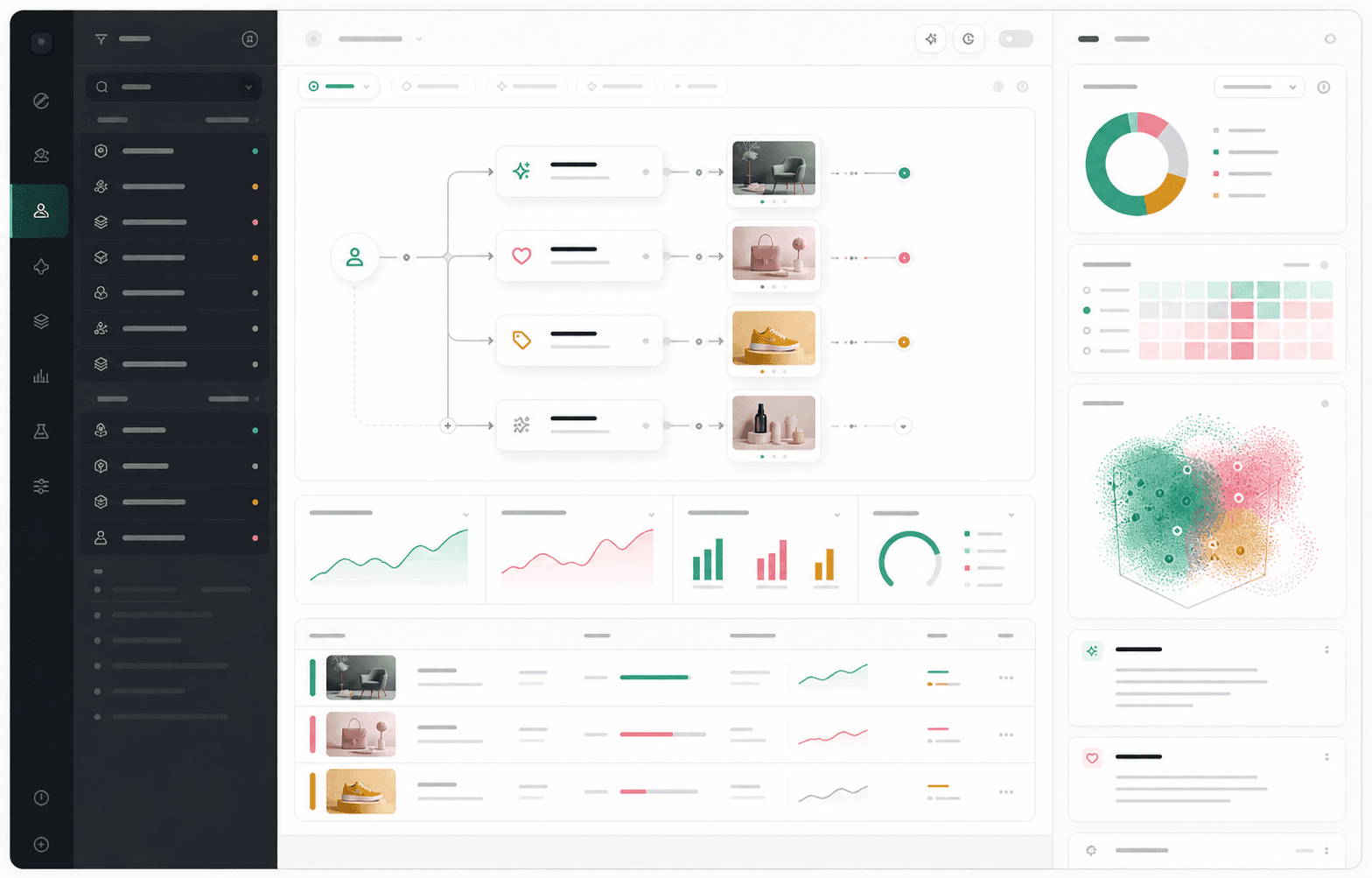
Problem
The work started here.
Engineering teams need faster ways to connect related production signals and move from noisy symptoms to credible root-cause hypotheses.
Research
- Mapped how incidents produce related traces, service signals, alerts, and operational context.
- Identified where manual triage slows teams down when multiple services are involved.
- Explored agent workflows that can summarize evidence instead of only listing alerts.
Planning
- Defined an investigation loop that gathers signals, correlates service behavior, and explains likely causes.
- Planned the experience around evidence-backed findings rather than opaque agent conclusions.
- Kept the initial scope centered on 14 correlated signals across 3 services.
Architecture Highlights
- Agent workflows inspect correlated service signals and turn them into investigation steps.
- Signal summaries preserve enough context for engineers to validate each hypothesis.
- The project is structured for iterative expansion as more telemetry sources are added.
System Design
- Signal correlation groups related evidence before the agent proposes a likely cause.
- Investigation state tracks which services, symptoms, and hypotheses are active.
- Agent output is framed as engineering evidence that can be accepted, challenged, or refined.
Challenges
- Root-cause analysis can become noisy when signals overlap across services.
- The agent needs to be helpful without pretending uncertain findings are final answers.
- Correlated telemetry has to be presented in a way engineers can trust quickly.
Solutions
- Centered the workflow on correlated evidence and ranked hypotheses.
- Kept uncertainty visible so investigation output remains reviewable.
- Designed the agent loop around service-level context instead of isolated alerts.
Performance
- Created a focused AI-agent project for autonomous incident investigation.
- Demonstrated analysis across 14 signals and 3 services.
- Reduced the mental load of scanning disconnected observability signals.
Tech Stack
AI Agents
Observability
Root-Cause Analysis
Signals
GitHub
Code Snippet
const investigation = await awari.investigate({
  signals,
  services,
  window: incidentWindow,
});
Gallery & Animations
The final product uses subtle hover tilt, reveal choreography, and responsive image transitions to make the case study feel alive without turning the page into a heavy demo reel.
Lessons Learned
- Incident agents are most useful when they show their evidence.
- Correlation is only valuable when engineers can trace how a conclusion was reached.
- Autonomous engineering tools should accelerate judgment, not replace it.