Security
2026
Frontend Engineer
OSTEC-SE Cybersecurity Platform
A cybersecurity platform experience focused on clear service presentation, trust-building flows, and responsive delivery.
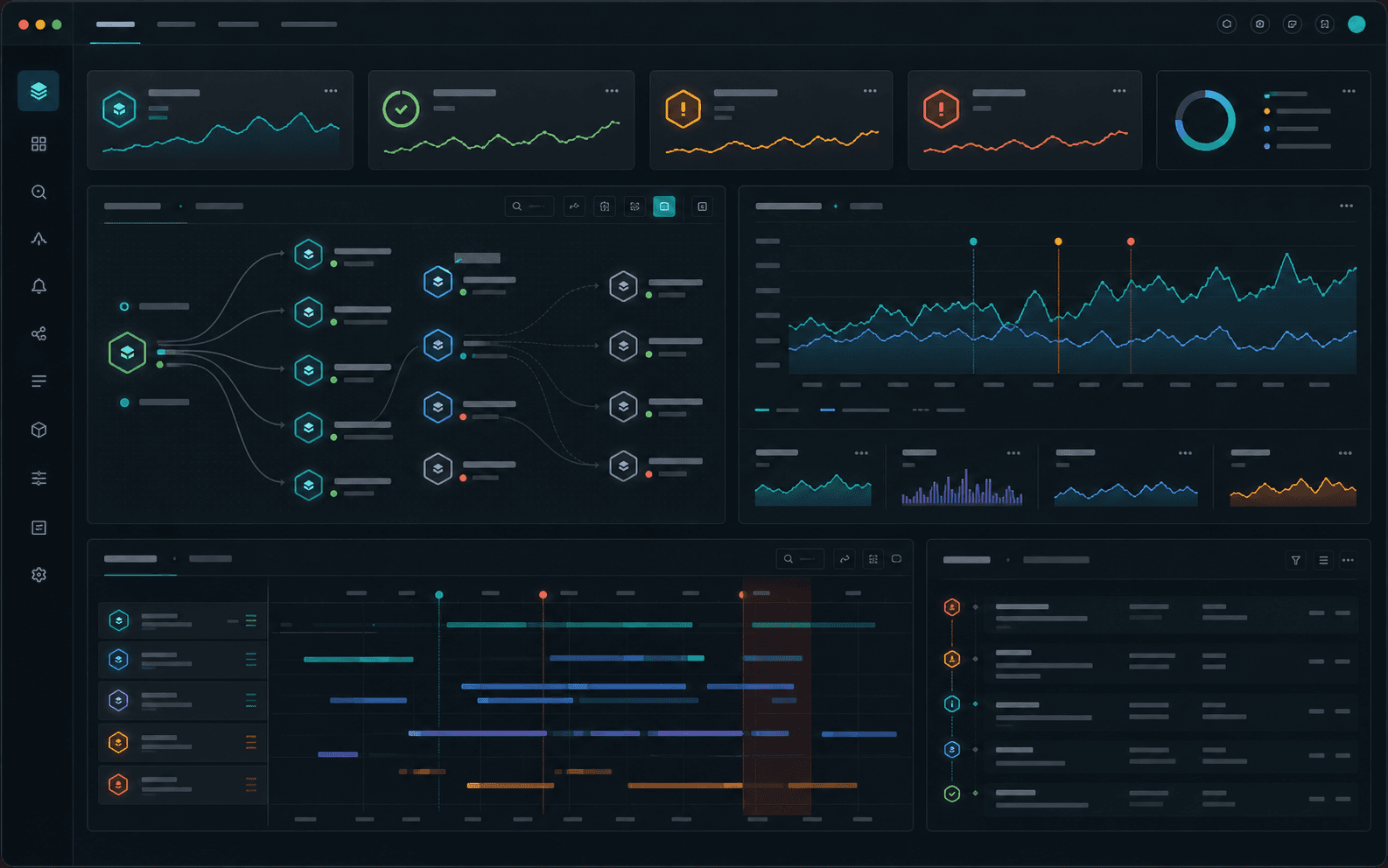
Problem
The work started here.
Security services needed a credible digital surface that communicates offerings clearly and helps visitors understand the platform quickly.
Research
- Reviewed how security audiences scan service offerings and trust signals.
- Identified content groups that needed to be visible without overwhelming users.
- Tested responsive layout decisions across mobile and desktop expectations.
Planning
- Prioritized clear sections for services, value, and contact-oriented actions.
- Planned a responsive layout that keeps security information easy to scan.
- Defined reusable UI patterns for service cards and platform messaging.
Architecture Highlights
- Frontend components organize the platform into focused, reusable sections.
- Responsive styling keeps content readable across device sizes.
- Vercel deployment supports fast iteration and public delivery.
System Design
- Information hierarchy moves from core security value to supporting service details.
- Calls to action stay reachable without interrupting content scanning.
- Reusable sections make updates easier as offerings evolve.
Challenges
- Security content needed to feel trustworthy without becoming dense.
- The page had to work well on small screens where long content can feel heavy.
- Visual polish needed to support credibility rather than distract from it.
Solutions
- Used concise section structure and clear visual grouping.
- Balanced responsive spacing with readable content density.
- Kept interactions lightweight so the page remains focused and quick.
Performance
- Delivered a live, responsive cybersecurity platform experience.
- Improved service comprehension through clearer hierarchy.
- Kept the interface lightweight for fast browsing.
Tech Stack
React
TypeScript
Responsive UI
Vercel
Code Snippet
const service = services.find((item) =>
  item.slug === selectedService,
);
Gallery & Animations
The final product uses subtle hover tilt, reveal choreography, and responsive image transitions to make the case study feel alive without turning the page into a heavy demo reel.
Lessons Learned
- Security websites need calm confidence more than visual noise.
- Trust signals work best when they are part of the content hierarchy.
- Responsive service pages should reduce cognitive load on mobile.